
Introduction
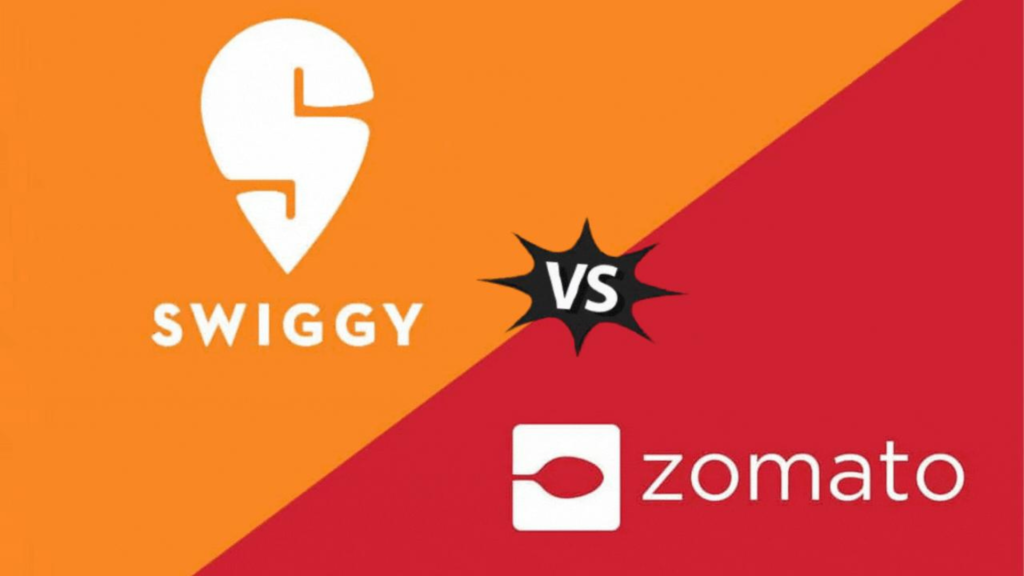
India’s food delivery industry has grown rapidly over the past decade, dominated by two major players — Zomato and Swiggy.
Both companies have scaled massively, but when it comes to profitability, their journeys are very different.
👉 In this detailed guide, we break down:
- Revenue models
- Cost structures
- Unit economics
- Quick commerce battle
- Future profitability outlook
📊 Zomato vs Swiggy: Quick Comparison
| Factor | Zomato | Swiggy |
|---|---|---|
| Business Focus | Profitability | Expansion |
| Current Status | Profitable (core) | Loss-making |
| Strategy | Efficiency | Growth |
👉 Key takeaway:
Zomato focuses on profit, while Swiggy focuses on capturing market share.
💰 Revenue Model Breakdown
Zomato Revenue Streams
- Restaurant commissions (15–25%)
- Delivery charges
- Zomato Gold subscription
- Advertising revenue
- Blinkit (quick commerce)
- Hyperpure (B2B supply)
Swiggy Revenue Streams
- Restaurant commissions
- Delivery fees
- Swiggy One subscription
- Instamart (quick commerce)
- Swiggy Genie logistics
👉 Zomato has a strong B2B revenue advantage, while Swiggy focuses more on consumer services.
📉 Cost Structure Analysis
Both companies face similar major costs:
- Delivery partner payouts
- Discounts and offers
- Marketing campaigns
- Technology infrastructure
Key Difference:
✔️ Zomato
- Reduced discounting
- Optimized logistics
- Controlled spending
⚠️ Swiggy
- Heavy investments
- Aggressive expansion
- Higher operational costs
👉 This is a major reason why profitability differs.
📈 Profitability Comparison
Zomato Profit Status
- Achieved EBITDA profitability
- Food delivery segment profitable
- Blinkit nearing break-even
👉 Zomato has successfully improved its margins.
Swiggy Profit Status
- Still operating at a loss
- Food delivery near break-even
- Instamart causing heavy losses
👉 Swiggy is still prioritizing growth over profits.
⚙️ Unit Economics Comparison
Unit economics determines how much profit a company makes per order.
Zomato:
- Higher average order value
- Lower discount dependency
- Better efficiency
Swiggy:
- Higher customer acquisition cost
- More aggressive pricing
- Larger operational expenses
👉 Winner: Zomato
⚡ Blinkit vs Instamart (Quick Commerce Battle)
Quick commerce is the future — but also expensive.
Zomato (Blinkit)
- Controlled expansion
- Improving profitability
Swiggy (Instamart)
- Rapid growth
- High losses
👉 Quick commerce is a long-term game, not short-term profit.
📊 Market Share vs Profit
- Swiggy leads in order volume
- Zomato leads in profitability
👉 Lesson: Market dominance doesn’t guarantee profit.
🔮 Future Outlook (2026–2030)
Zomato:
- Likely to remain profitable
- Blinkit could become a major revenue driver
Swiggy:
- Profit depends on reducing Instamart losses
- IPO pressure may push profitability
🏁 Final Verdict
👉 Which is more profitable?
✅ Zomato wins
Why?
- Better cost control
- Stronger unit economics
- Achieved profitability
⚠️ Swiggy still has potential but needs to control losses.
📌 Conclusion
The Zomato vs Swiggy battle is no longer just about food delivery —
it’s about profit vs growth strategy.
👉 The real winner will be the one who can turn scale into sustainable profit.